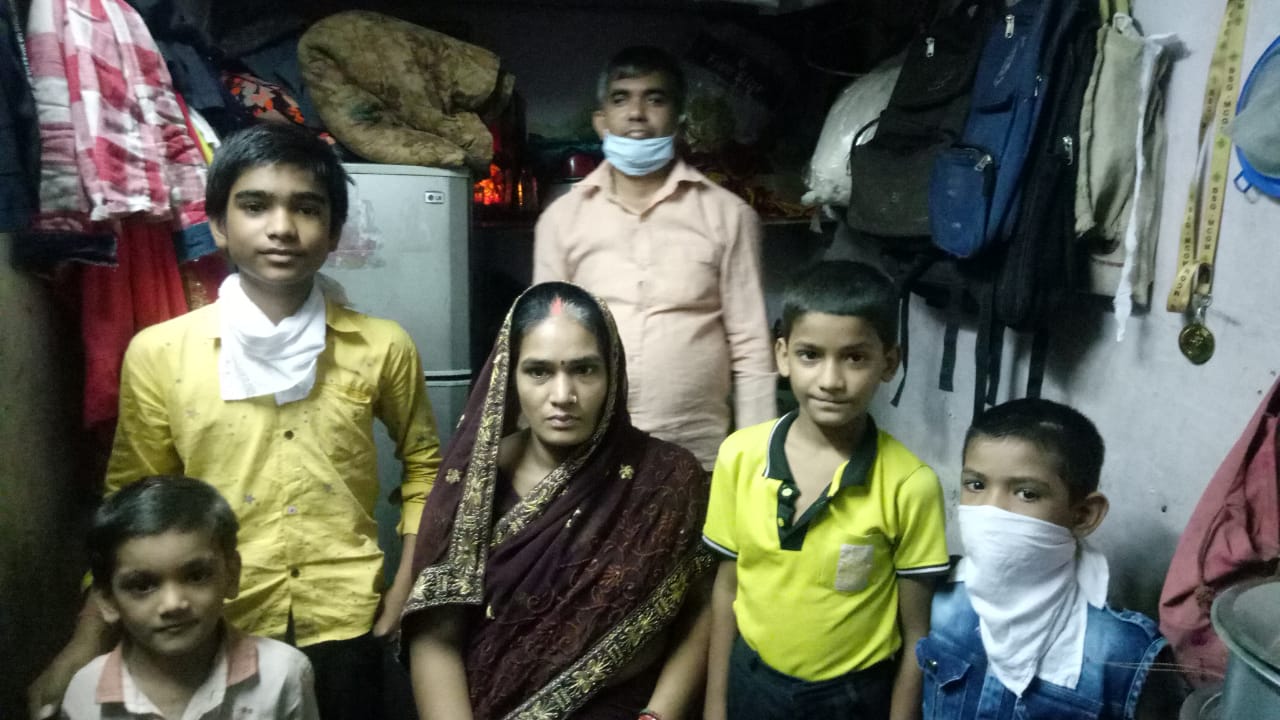
The neighbourhood of Dharavi - often mistakenly called the “largest slum in Asia” - developed around the village of Koliwada. Today, Dharavi is on the brink of a massive redevelopment project, which should generate much profit for the investors but would mean massive displacement for its population.
How can Koliwada, Dharavi, evolve and plan for its future well-being?
Currently, special Gaothan laws are evoked to administer the land use patterns of Koliwadas in Mumbai. These recognise their identity as an urban village and include a different set of clauses for re-development. Until recently, you could not build beyond a certain height, a feature that acted as a deterrent to builders and consequently preserved the village-like habitats of the wadas. Unfortunately, the fact that they were anachronistic habitats in a rapidly transforming urban landscape went against them. Their dependence on the sea for sustenance was rapidly eroded by multiple factors including the declining quality of the ocean’s waters. Besides, the civic authorities did not seriously invest in the villages in terms of improved sewage, roads or other kinds of infrastructural development. Consequently, many of the Koliwadas were treated like other so-called slum neighbourhoods. In many cases, the availability of affordable rental housing in such villages meant a huge expansion of tenant population and a further infrastructural strain.
The Kolis of Dharavi have managed to challenge the government’s attempt to incorporate Koliwada in the Dharavi Redevelopment Project making Dharavi-Koliwada exempt from the redevelopment plans of Dharavi as a whole. However, while on one hand Dharavi-Koliwada has been recognized as falling under the purview of the Gaothan law, on the other the legal provisions of the Gaothans themselves have changed and today the permission for Floor Space Index building and re-development has nearly doubled. This was a huge incentive for builders to enter and make a killing, however, the residents of Dharavi-Koliwada, including local contractors are taking advantage of this provision and controlling the redevelopment process themselves.
This user-driven, incremental redevelopment of Dharavi Koliwada absorbs the complications of tenancy and land ownership, while also respecting the community’s traditional needs as well as their dependence on rent from tenants. This incremental redevelopment by Koli landlords is cross-subsidized by the sale of market-rate condos and commercial spaces.